AT1 Receptor
AT1 receptor (angiotensin II type 1 receptor, AGTR1) is a major effector of the renin-angiotensin system and mediates the classical biological actions of angiotensin II, including vasoconstriction, aldosterone regulation, renal sodium handling, and cardiovascular remodeling[1][2]. Mechanistically, AT1 receptor activation couples predominantly to heterotrimeric G proteins and stimulates phospholipase C, intracellular Ca2+ mobilization, protein kinase C activation, and downstream tyrosine kinase signaling pathways that regulate cellular growth, inflammation, and extracellular matrix formation[1][3]. In cardiovascular and renal disease models, enhanced AT1 signaling promotes vascular smooth muscle cell proliferation, cardiac hypertrophy, fibrosis, and maladaptive tissue remodeling, supporting its central role in hypertension, heart failure, and chronic kidney injury research[2][4]. Compared with the related AT2 receptor, which often mediates distinct or counter-regulatory functions, AT1 receptor is the dominant subtype responsible for the major physiological and pathological responses to angiotensin II in adult tissues[5][6]. Rodent studies further demonstrate that the AT1 receptor exists as two isoforms, AT1A and AT1B, encoded by separate genes; AT1A predominates in blood pressure regulation and neuroendocrine control, whereas AT1B generally plays a compensatory or tissue-restricted role[4][7][8]. For experimental applications, selective AT1 receptor antagonists are widely used to suppress pathological angiotensin II signaling and to investigate receptor-dependent mechanisms underlying cardiovascular, renal, and inflammatory disorders[1][6].
References:
- [1]. Guo DF, et al. The angiotensin II type 1 receptor and receptor-associated proteins. Cell Res. 2001 Sep;11(3):165-80. [Content Brief]
- [2]. Tamaoki M, et al. Awareness survey of parties involved in pharmacogenomics in Japan. Pharmacogenomics. 2007 Mar;8(3):275-86. [Content Brief]
- [3]. Goodley P, et al. Six-year performance of risk-based selection for lung cancer screening in the Manchester Lung Health Check cohort. BMJ Oncol. 2024 Dec 10;3(1):e000560. [Content Brief]
- [4]. de Gasparo M, et al. International union of pharmacology. XXIII. The angiotensin II receptors. Pharmacol Rev. 2000 Sep;52(3):415-72. [Content Brief]
- [5]. Gasc JM, et al. Tissue-specific expression of type 1 angiotensin II receptor subtypes. An in situ hybridization study. Hypertension. 1994 Nov;24(5):531-7. [Content Brief]
- [6]. Coffman TM, et al. Review: Gene targeting studies of angiotensin II type 1 (AT1) receptors. J Renin Angiotensin Aldosterone Syst. 2001 Mar;2(1_suppl):S10-S15. [Content Brief]
All Product Categories
-
AT1 Receptor Inhibitors
(6)
View all products
-
AT1 Receptor Agonists
(9)
View all products
-
AT1 Receptor Antagonists
(38)
View all products
-
AT1 Receptor Activators
(2)
View all products
-
AT1 Receptor Modulators
(3)
View all products
-
AT1 Receptor Chemicals
(2)
View all products
-
AT1 Receptor Ligand
(1)
View all products
-
AT1 Receptor Related Products (63)
Related Products (63)

-
Angiotensin II human
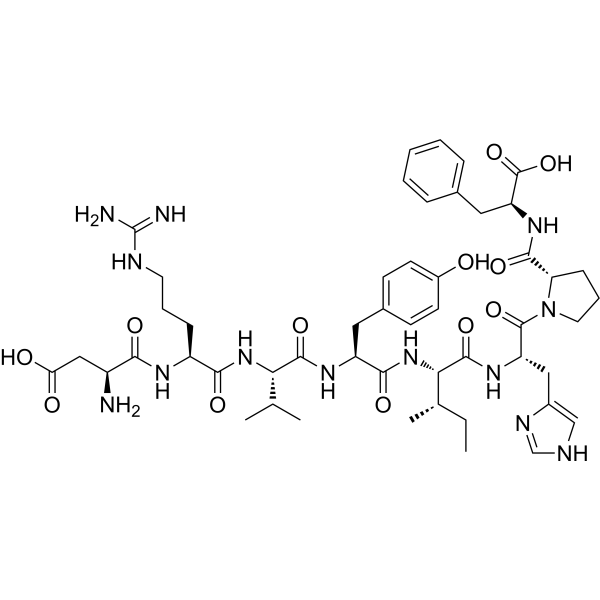 0 ImagesAngiotensin II (Angiotensin II) is a vasoconstrictor and a major bioactive peptide of the renin/angiotensin system. Angiotensin II human plays a central role in regulating human blood pressure, which is mainly mediated by interactions between Angiotensin II and the G-protein-coupled receptors (GPCRs) Angiotensin II type 1 receptor (AT1R) and Angiotensin II type 2 receptor (AT2R). Angiotensin II human stimulates sympathetic nervous stimulation, increases aldosterone biosynthesis and renal actions. Angiotensin II human induces growth of vascular smooth muscle cells, increases collagen type I and III synthesis in fibroblasts, leading to thickening of the vascular wall and myocardium, and fibrosis. Angiotensin II human also induces apoptosis. Angiotensin II induces capillary formation from endothelial cells via the LOX-1 dependent redox-sensitive pathway.
-
Losartan
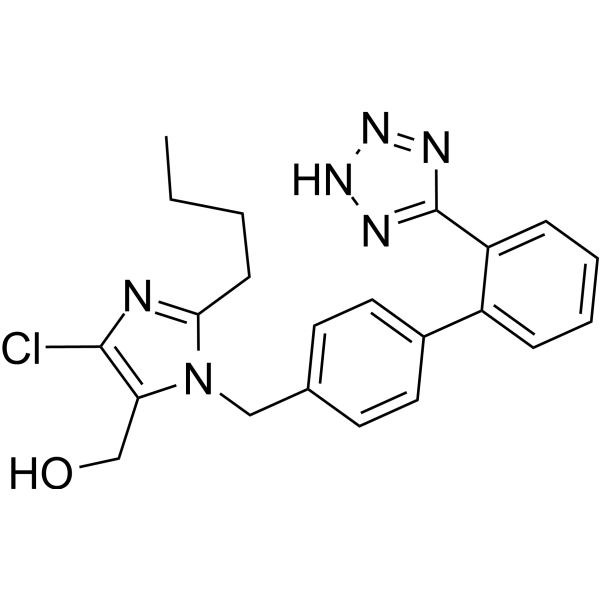 0 ImagesSynonyms: DuP-753Losartan is an angiotensin II receptor antagonist, competing with the binding of angiotensin II to AT1 receptors with IC50 of 20 nM.
-
Angiotensin II human acetate
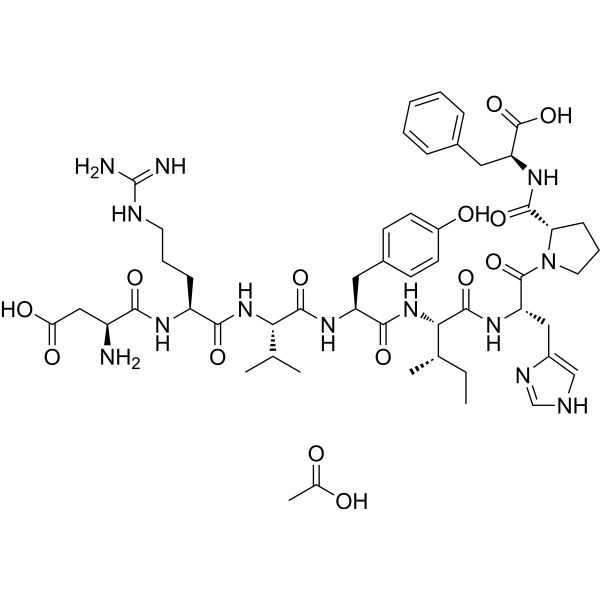 0 ImagesSynonyms: Angiotensin II acetate; Ang II acetate; DRVYIHPF acetateAngiotensin II human (Angiotensin II) acetate is a vasoconstrictor and a major bioactive peptide of the renin/angiotensin system. Angiotensin II human acetate plays a central role in regulating human blood pressure, which is mainly mediated by interactions between Angiotensin II and the G-protein-coupled receptors (GPCRs) Angiotensin II type 1 receptor (AT1R) and Angiotensin II type 2 receptor (AT2R). Angiotensin II human acetate stimulates sympathetic nervous stimulation, increases aldosterone biosynthesis and renal actions. Angiotensin II human acetate induces growth of vascular smooth muscle cells, increases collagen type I and III synthesis in fibroblasts, leading to thickening of the vascular wall and myocardium, and fibrosis. Angiotensin II human acetate also induces apoptosis. Angiotensin II human acetate induces capillary formation from endothelial cells via the LOX-1 dependent redox-sensitive pathway.
-
Telmisartan
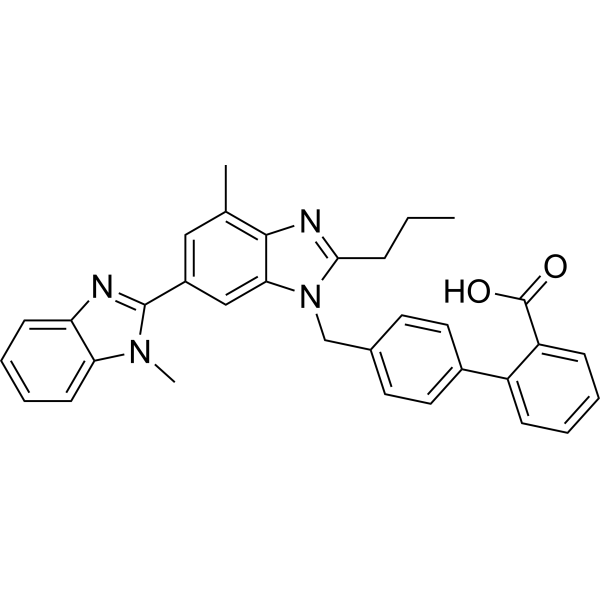 0 ImagesSynonyms: BIBR 277Telmisartan is a potent, long lasting antagonist of angiotensin II type 1 receptor (AT1), selectively inhibiting the binding of 125I-AngII to AT1 receptors with IC50 of 9.2 nM.
-
Nitrosoglutathione
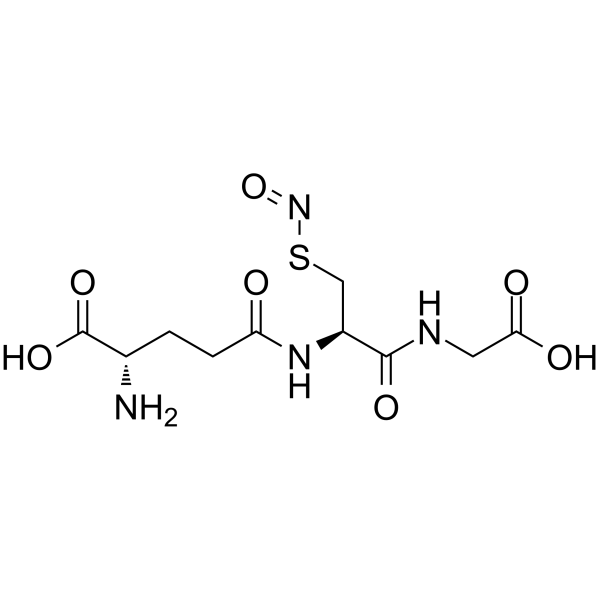 0 ImagesCat. No.: HY-D0845CAS No.: 57564-91-7Synonyms: GSNO; RVC-588; S-Nitroso-L-glutathioneNitrosoglutathione (GSNO), a exogenous NO donor and a substrate for rat alcohol dehydrogenase class III isoenzyme, inhibits cerebrovascular angiotensin II-dependent and -independent AT1 receptor responses.
-
Talfirastide
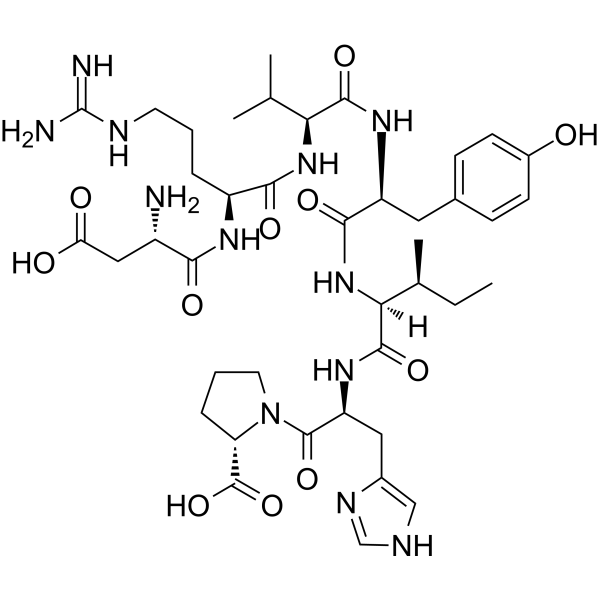 0 ImagesSynonyms: TXA127; Angiotensin (1-7); Ang-(1-7)Angiotensin 1-7 (Ang-(1-7)) is an endogenous heptapeptide from the renin-angiotensin system (RAS) with a cardioprotective role due to its anti-inflammatory and anti-fibrotic activities in cardiac cells. Angiotensin 1-7 inhibits purified canine ACE activity (IC50=0.65 μM). Angiotensin 1-7 acts as a local synergistic modulator of kinin-induced vasodilation by inhibiting ACE and releasing nitric oxide. Angiotensin 1-7 blocks Ang II-induced smooth muscle cell proliferation and hypertrophy and shows antiangiogenic and growth-inhibitory effects on the endothelium. Angiotensin 1-7 shows anti-inflammatory activity .
-
Olmesartan medoxomil (Standard)
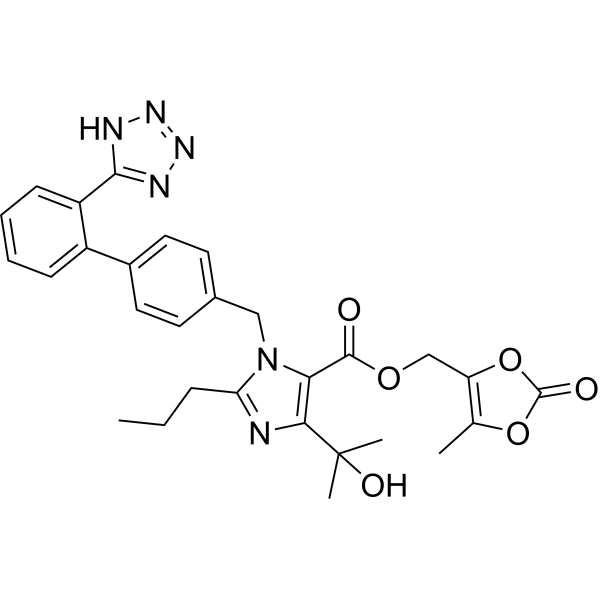 0 ImagesSynonyms: CS 866 (Standard)Olmesartan medoxomil (Standard) is the analytical standard of Olmesartan medoxomil. This product is intended for research and analytical applications. Olmesartan medoxomil is a potent and selective angiotensin AT1 receptor inhibitor with IC50 of 66.2 μM.
-
AT1R-agonist-1
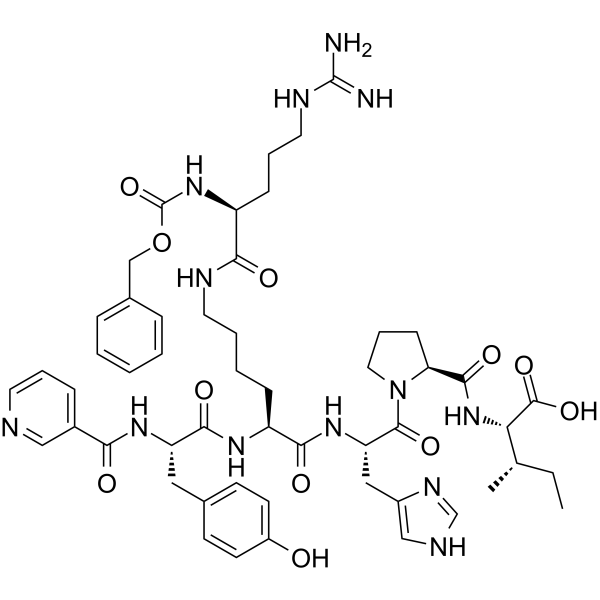
 0 ImagesCat. No.: HY-P11847CAS No.: 3124030-35-6AT1R-agonist-1 is an angiotensin II type 1 receptor (AT1R) agonist with a Ki value of 1.4 nM. AT1R-agonist-1 exhibits low Gαq activity, retains β-arrestin recruitment function, and accesses the deep allosteric pocket inside AT1R via its flexible side chain. AT1R-agonist-1 possesses positive inotropic effects (enhancing cardiac contractile function) and causes almost no increase in blood pressure. AT1R-agonist-1 can be used for research on conditions such as refractory cardiogenic shock.
-
Valsartan
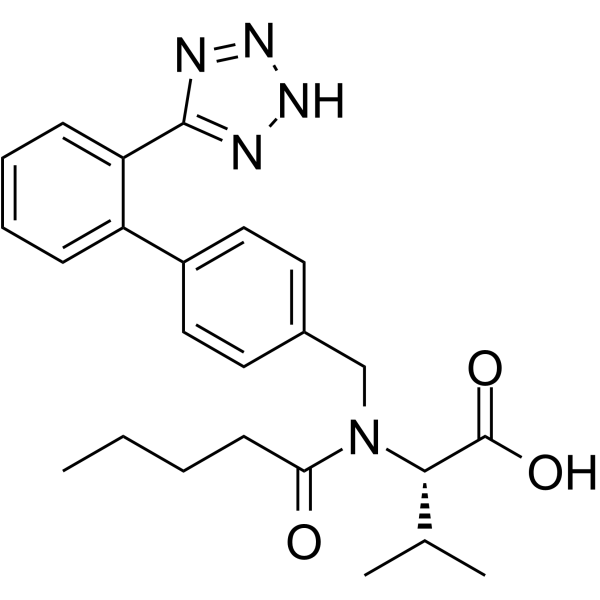 0 ImagesSynonyms: CGP 48933Valsartan (CGP 48933) is an angiotensin II receptor antagonist and has the potential for high blood pressure and heart failure research.
-
Losartan potassium
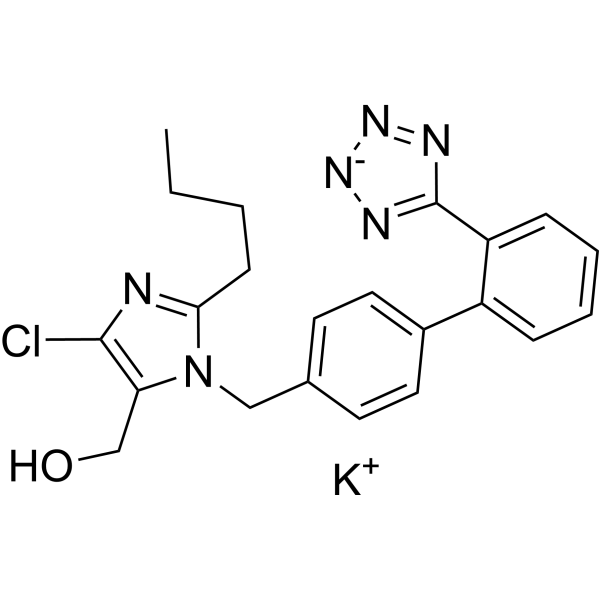 0 ImagesSynonyms: DuP-753 potassiumLosartan potassium (DuP-753 potassium) is an angiotensin II receptor type 1 (AT1) antagonist, competing with the binding of angiotensin II to AT1 with an IC50 of 20 nM.
-
Buloxibutid
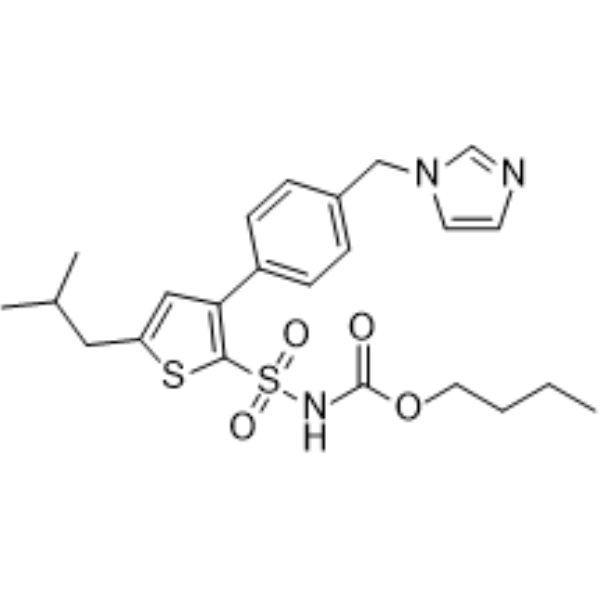 0 ImagesSynonyms: AT2 receptor agonist C21Buloxibutid (AT2 receptor agonist C21) is an orally active, selective angiotensin II type 2 receptor (AT2R) agonist, with a Ki value of 0.4 nM for porcine AT2R. Buloxibutid exerts effects such as vasodilation, anti-inflammation, anti-fibrosis (promoting the expression of collagenase MMP-13) and tissue repair mainly by activating the NO/cGMP pathway, inhibiting the pro-proliferative MAPK signaling, and suppressing the pro-fibrotic TGF-β/Smad pathway as well as the inflammatory NF-κB pathway. Buloxibutid can be used in research related to idiopathic pulmonary fibrosis, hypertension, and systemic sclerosis.
-
Olmesartan
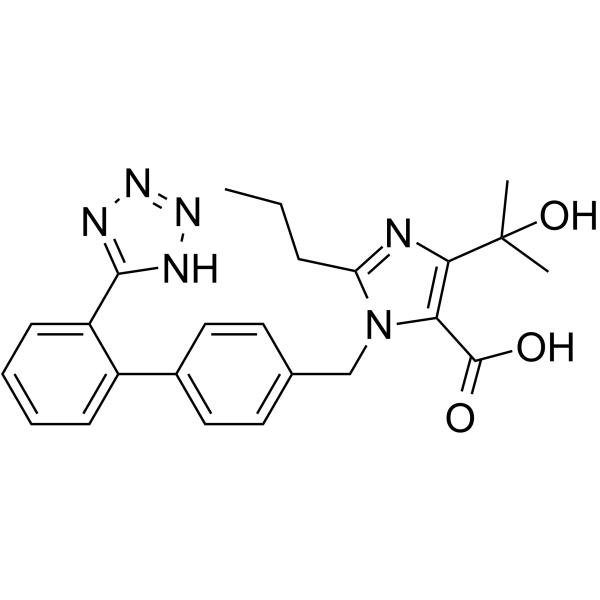 0 ImagesSynonyms: RNH-6270Olmesartan (RNH-6270) is an angiotensin II receptor (AT1R) antagonist used to treat high blood pressure.
-
A 779
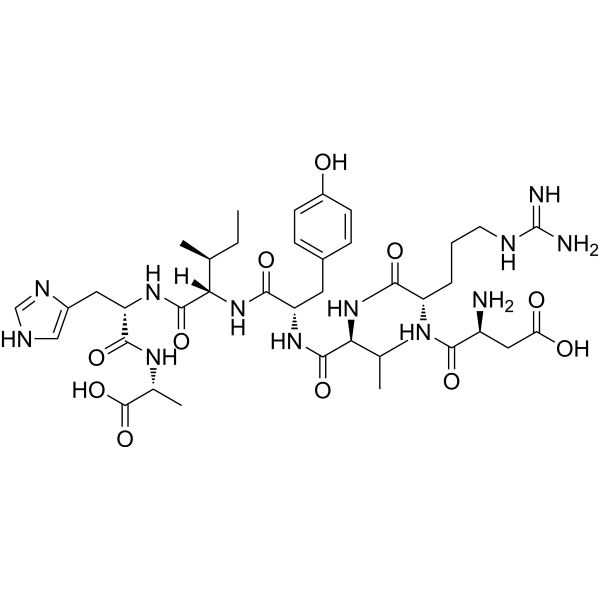 0 ImagesA 779 is a specific antagonist of G-protein coupled receptor (Mas receptor), which is an Ang1-7 receptor distinct from the classical AngII.
-
Olmesartan medoxomil
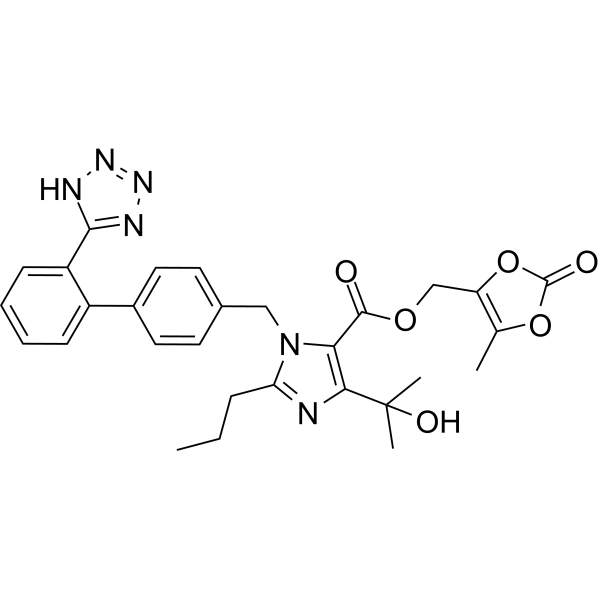 0 ImagesSynonyms: CS 866Olmesartan medoxomil is a potent and selective angiotensin AT1 receptor inhibitor with IC50 of 66.2 μM.
-
TRV-120027
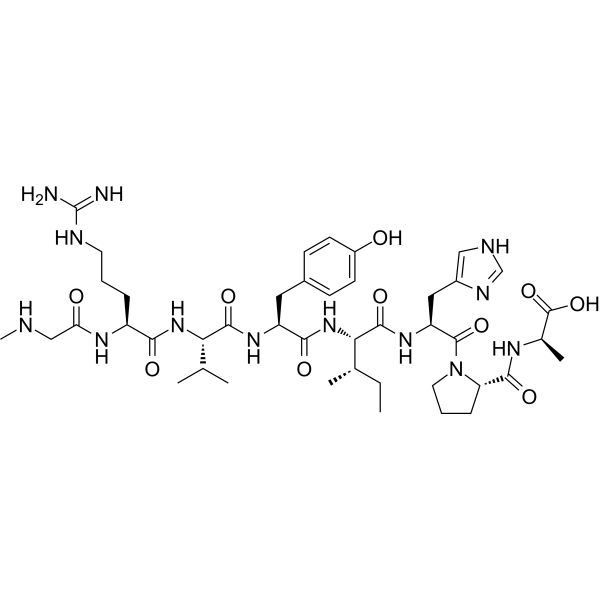 0 ImagesSynonyms: TRV027TRV120027, a β-arrestin-1-biased agonist of the angiotensin II receptor type 1 (AT1R), engages β-arrestins while blocking G-protein signaling. TRV120027 induces acute catecholamine secretion through cation channel subfamily C3 (TRPC3) coupling, promotes the formation of a macromolecular complex composed of AT1R-β-arrestin-1-TRPC3-PLCγ at the plasma membrane. TRV120027 inhibits angiotensin II-mediated vasoconstriction and increases cardiomyocyte contractility. TRV120027 has the potential for the acute decompensated heart failure (ADHF) treatment.
-
Azilsartan
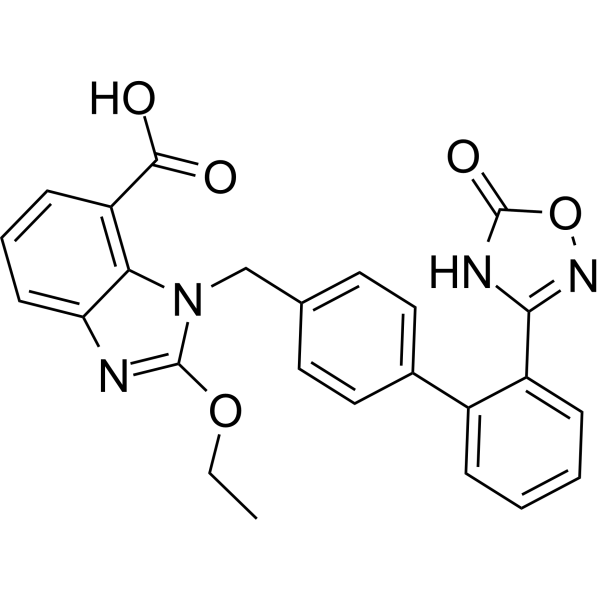 0 ImagesSynonyms: TAK-536Azilsartan (TAK-536) is an orally active, potent, selective and specific angiotensin II type 1 receptor (AT1) antagonist. Azilsartan induces ROS formation and apoptosis in HepG2 cells. Azilsartan shows neuroprotective and anticancer activity. Azilsartan can be used for hypertension and stroke research.
-
Talfirastide acetate
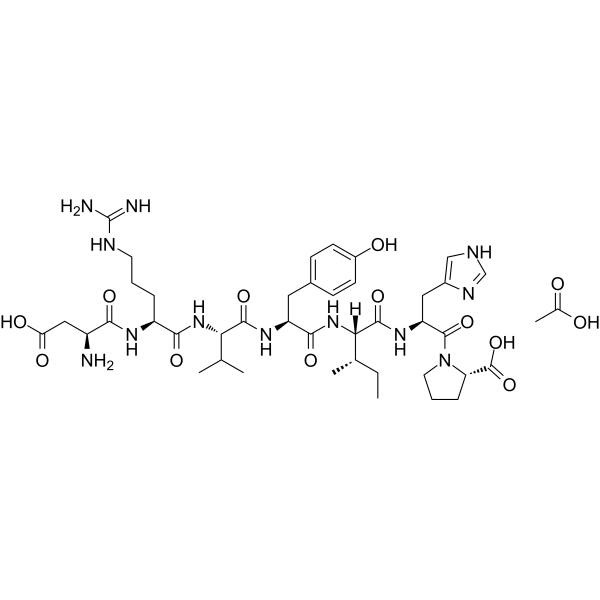 0 ImagesSynonyms: TXA127 acetate; Angiotensin (1-7) acetate; Ang-(1-7) acetateAngiotensin 1-7 (Ang-(1-7)) acetate is an endogenous heptapeptide from the renin-angiotensin system (RAS) with a cardioprotective role due to its anti-inflammatory and anti-fibrotic activities in cardiac cells. Angiotensin 1-7 acetate inhibits purified canine ACE activity (IC50=0.65 μM). Angiotensin 1-7 acetate acts as a local synergistic modulator of kinin-induced vasodilation by inhibiting ACE and releasing nitric oxide. Angiotensin 1-7 acetate blocks Ang II-induced smooth muscle cell proliferation and hypertrophy and shows antiangiogenic and growth-inhibitory effects on the endothelium.
-
Diisononyl phthalate
 0 ImagesSynonyms: DINPDiisononyl phthalate (DINP) is an orally active polyvinyl chloride plasticizer and indirect food additive. Diisononyl phthalate activates the ACE/AT1R axis and inhibits the production of NO. Diisononyl phthalate reduces the expression of eNOS. Diisononyl phthalate induces increased blood pressure in mice. Diisononyl phthalate induces monocytic leukemia in rats. Diisononyl phthalate can be used in hypertension-related research.
-
TRV055
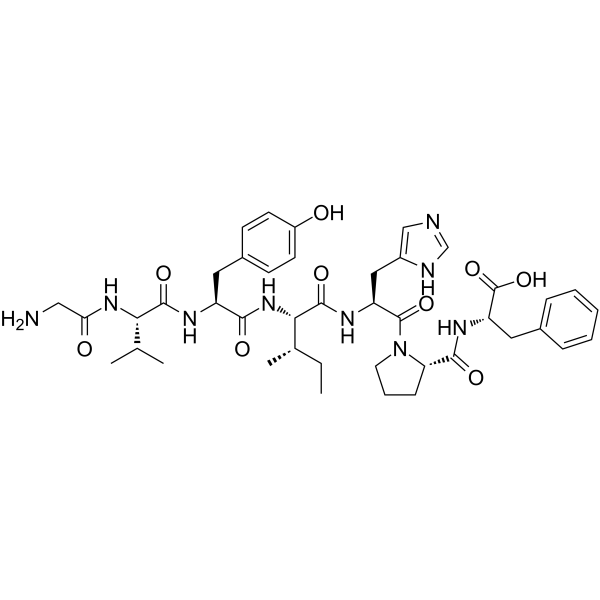 0 ImagesSynonyms: TRV120055TRV055 (TRV120055) is a G protein-biased agonist of angiotensin II type 1 receptors (AT1Rs). TRV120055 induces fibroblast proliferation, overexpression of collagen I and α-SMA, and stress fibre formation in human cardiac fibroblasts. TRV055 activates AT1 receptor/Gαq-mediated signaling pathways, upregulates TGF-β1 and p-ERK1/2. TRV055 induces collagen secretion in adult rat myofibroblasts at a level comparable to Ang II. TRV055 can be used to study the role of G protein-biased signaling of AT1Rs in regulating fibrotic responses[1]